Logo Mercado College

Home About Courses Admission Career Contact
Image

Courses

  1. Home
  2. Pages
  3. Courses
Courses

ACADEMICS

HIGH SCHOOL

K to 12 Curriculum

TESDA-PROGRAMS

Caregiving NC II

Biomedical Equipment Servicing NC II

COLLEGE

School of Allied Medicine

School of Healthcare Education and Management

School of Nursing and Midwifery

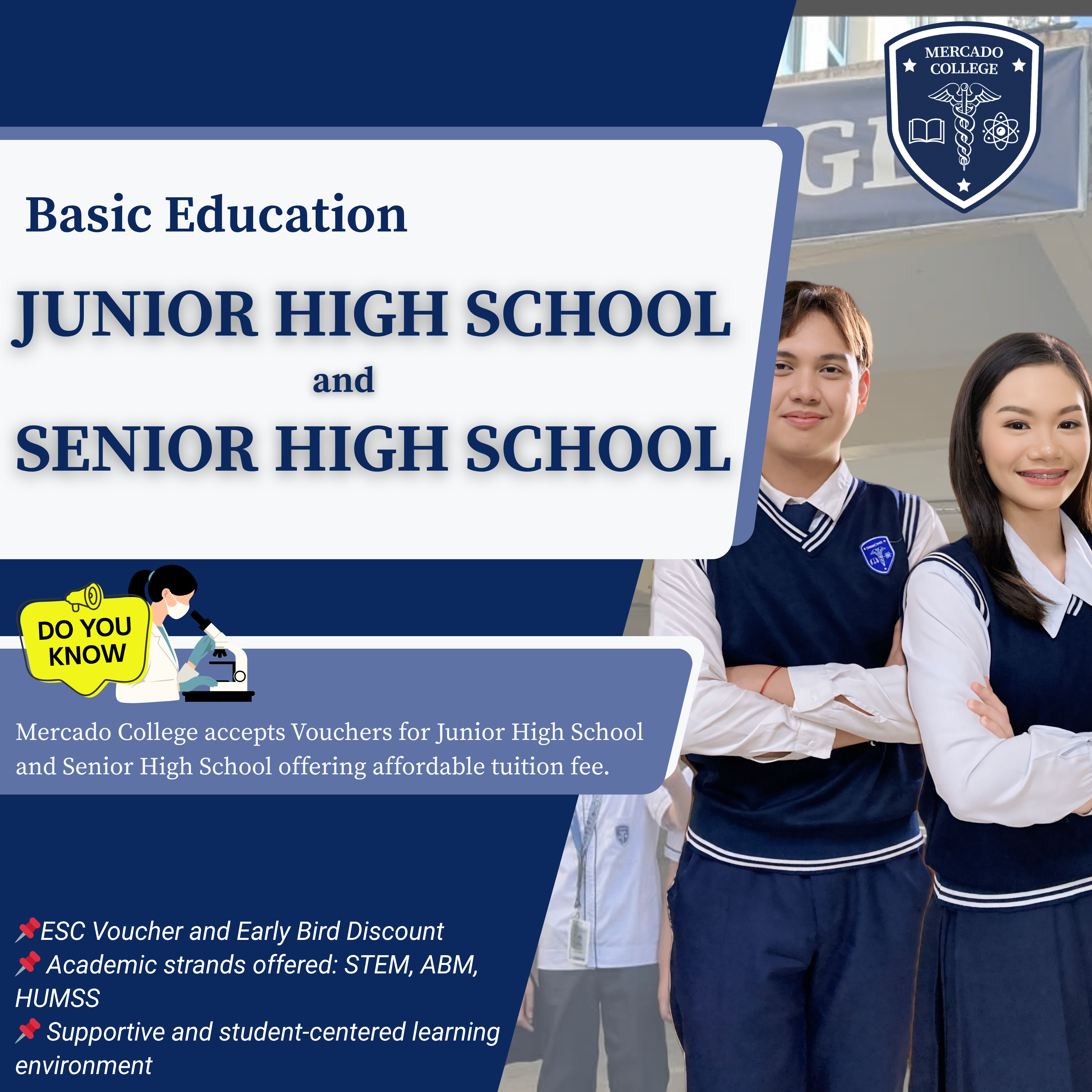
The K to 12 Program covers Kindergarten and twelve (12) years of basic education (six years of primary education, four years of Junior High School, and two years of Senior High School [SHS]). This program provides sufficient time for mastery of concepts and skills, develops lifelong learners, and prepares graduates for tertiary education, middle-level skills development, employment, and entrepreneurship.

GEARING UP FOR THE FUTURE (SENIOR HIGH SCHOOL)

Senior High School is two (2) years of specialized upper secondary education where students may choose a specialization based on aptitude, interests, and school capacity. The chosen career track defines the subjects a student will take in Grades 11 and 12. Senior High School subjects fall under either the Core Curriculum or specific Tracks.

CORE CURRICULUM

There are seven learning areas under the Core Curriculum: Languages, Literature, Communication, Mathematics, Philosophy, Natural Sciences, and Social Sciences. Current content from some General Education subjects are embedded in the SHS curriculum.

TRACKS

Each student in Senior High School can choose among three tracks: Academic; Technical-Vocational-Livelihood; and Sports and Arts.

The Academic Track includes four strands: Accountancy, Business and Management (ABM); Humanities and Social Sciences (HUMSS); Science, Technology, Engineering, and Mathematics (STEM); and General Academic Strand (GAS).

Students undergo immersion programs, which may include earn-while-you-learn opportunities, to provide relevant exposure and actual experience in their chosen track.

Benefits of the K to 12 Basic Education Program

1. It will produce globally competitive graduates

The K to 12 program aligns with international standards such as the Washington Accord and the Bologna Accord, increasing graduates’ global competitiveness.

2. Students will learn more easily

The curriculum is decongested and focused, allowing better comprehension of core subjects. Learners from Grade 3 and below are taught in their mother tongue.

3. Students will be free to pursue their passion

Students may choose electives and specializations aligned with their interests, nurturing their skills and talents.

4. There will be savings on college tuition fees

Grades 11 and 12 function as a tuition-free two-year college education in public schools, reducing overall college costs.

5. It will reduce unemployment rate and improve the economy

Graduates gain employable skills and entrepreneurial training, helping reduce unemployment and strengthen the economy.

The K to 12 Basic Education Program aims to improve both graduate quality and the overall quality of life in the country.

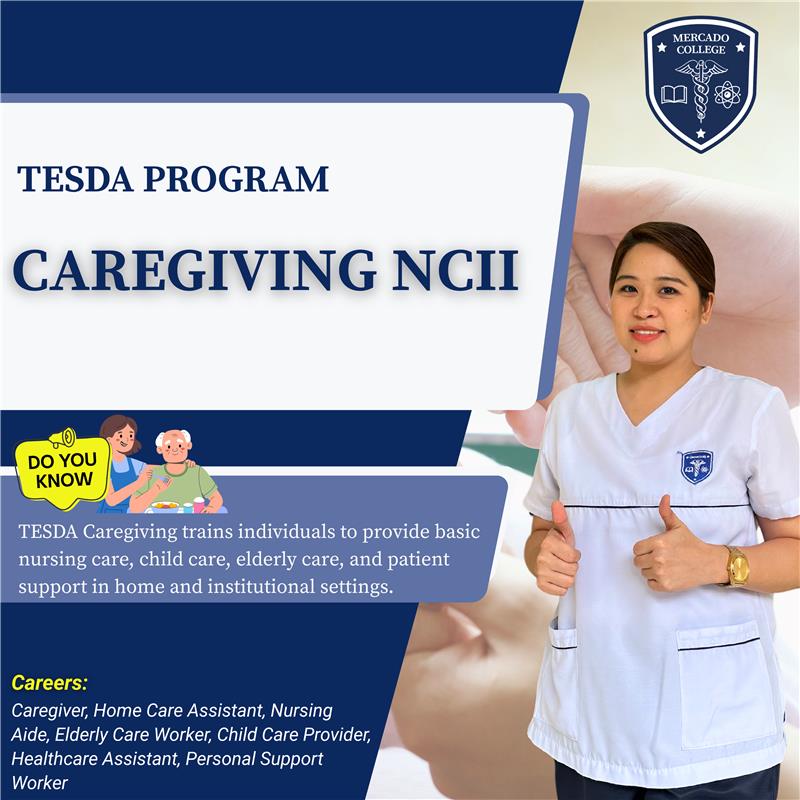
The Caregiving Department of DMMC Institute of Health Sciences provides a relevant training program aimed at producing competent and compassionate caregivers capable of delivering quality basic health care services in both local and global communities.

Objectives

1. To develop Caregiving graduates that will provide quality delivery of basic health services to clients.
2. To design and implement health care programs geared toward establishing community linkages for community services.
3. To develop faculty development programs that are geared toward both professional growth and quality instruction.

The DMMC Institute of Health Sciences Biomedical Equipment Technology Department offers a program that produces locally relevant and globally recognized competent Biomedical Equipment Technologists capable of responding to the growing needs of health institutions worldwide.

Vision

The Department of Biomedical Equipment Technology of DMMC Institute of Health Sciences, the premier department in offering the BMET program in the country, aims to be the leading provider of quality biomedical equipment technology training programs in the country.

Objectives

1. To develop relevant programs of technical knowledge and skills balanced with on-the-job training in local health institutions.
2. To develop biomedical equipment technicians equipped with competence in quality maintenance and repair of biomedical equipment in both local and global health institutions.
3. To create and continuously enhance faculty and staff development programs geared toward professional growth and delivery of quality instructional services.

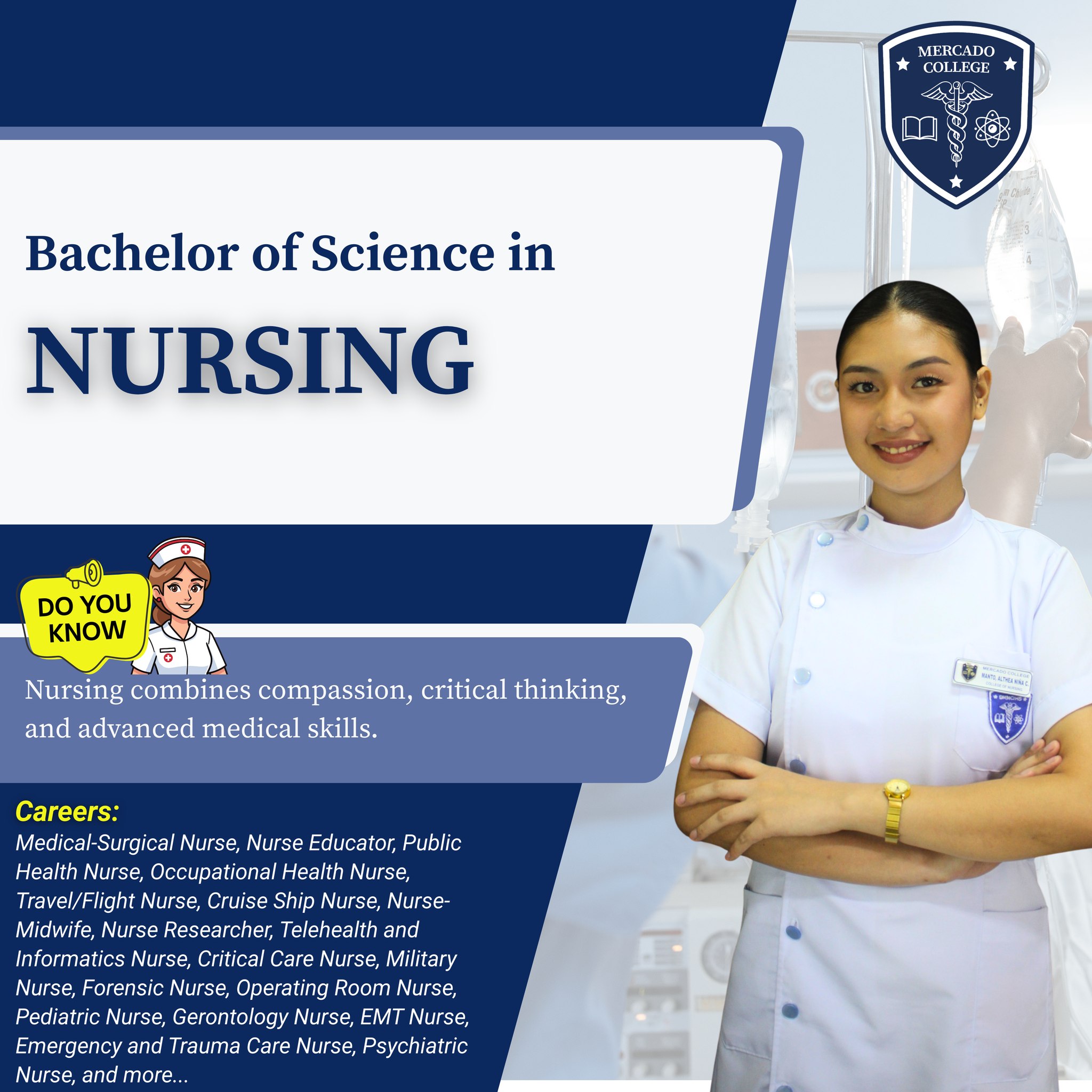
The College of Nursing of DMMC Institute of Health Sciences lives up to its vision of producing qualified and competent nursing graduates by exposing them to various intensive clinical practices beginning in the First Year Level. These exposures include training in general wards, specialty wards, emergency departments, intensive care units, pediatrics unit, labor and delivery (DR), and operating room.

The College of Nursing features a state-of-the-art Nursing Skills Laboratory, where basics and competencies are learned prior to clinical exposure. This includes a simulation mini hospital fully equipped with all the tools and preparations students need. Students are closely monitored by competent and qualified clinical instructors and faculty to enable them to acquire both basic and advanced nursing skills in accordance with the learning objectives based on CMO 15, s.2017 set forth by the Commission on Higher Education.

Clinical instructors and faculty members have completed relevant master’s degrees with specialization in various fields of nursing. Their extensive professional experience allows future nursing professionals to learn from real-world expertise.

Nursing Students Training

The College of Midwifery of DMMC Institute of Health Sciences envisions its graduates to be qualified and competent professional midwives who are life-long learners, locally relevant and globally recognized, capable of executing competencies in maternal and child health. Graduates are equipped with knowledge and skills in primary health care and exhibit the core values of excellence, integrity, collaboration, commitment, and compassion.

The College of Midwifery employs a state-of-the-art Skills Laboratory, where basic and advanced competencies are learned prior to clinical exposure. This includes a simulation mini-hospital complete with all necessary equipment and preparations. Students are closely monitored by competent and qualified clinical instructors and faculty to ensure acquisition of essential midwifery skills and achievement of learning objectives based on CMO 3, s.2023 set forth by the Commission on Higher Education.

Clinical instructors and faculty members have completed relevant master’s degrees with specialization in various midwifery fields. Their extensive professional experience allows future midwifery professionals to learn from real-world expertise.

BS in Medical Technology (BSMT), also known as Bachelor of Science in Medical Laboratory Science, is a four-year degree program that equips students with knowledge and skills in laboratory tests used for the detection, diagnosis, prevention, and treatment of diseases. The program includes general education subjects (such as English and Filipino) and professional subjects (such as Clinical Chemistry and Blood Banking).

The College of Medical Technology, guided by DMMC-IHS Mission and Vision, aims to provide a relevant curriculum and Medical Technology program to produce globally competent and service-oriented Medical Technologists.

Vision

The College of Medical Technology of DMMC-IHS aims to be a leading provider of quality education in medical technology programs in the country.

Objectives

1. To design and develop a balanced program of research and medical technology practice that is responsive to the changing needs of both local and global communities.
2. To develop competent medical technologists who are service-oriented and imbued with Christian values.
3. To create a faculty and staff development program geared toward professional growth and development.
4. To develop relevant programs with appropriate learning experiences.

What is Physiotherapy?
Physiotherapy is a healthcare profession that assesses, diagnoses, treats, and works to prevent disease and disability through physical means. Physiotherapists are experts in movement and function who work in partnership with their patients, assisting them to overcome movement disorders, which may be congenital, acquired through accident or injury, or the result of aging or life-changing events.

The College of Physical Therapy, guided by DMMC–IHS, provides a relevant, research-based curriculum and quality therapeutic programs to produce globally competent and service-oriented physical therapists.

Vision

DMMC Institute of Health Sciences College of Physical Therapy / Occupational Therapy aims to be the leading provider of quality therapeutic programs in the country.

Objectives

1. To design and develop a balanced program of research, service, and practice that is responsive to the diverse and challenging needs of both local and international communities.
2. To develop relevant programs with appropriate learning experiences.
3. To implement research-based healthcare programs geared toward policy formulation and productive clinical experience.
4. To create development programs for faculty and staff focused on their personal and professional growth.

BS in Radiologic Technology (BSRadTech) is a four-year degree program designed to train students in operating medical imaging equipment such as X-rays, CT scanners, MRIs, sonogram machines, and 3D medical imaging programs. Students are also trained to perform associated clerical duties, including scheduling and maintaining paperwork for office and clinical machinery.

The College of Radiologic Technology of DMMC Institute of Health Sciences, a CHED-accredited institution, aims to produce locally and globally competent Radiologic Technologists with expertise in Imaging Science.

Radiographic Positioning Doll

DMMC-IHS has the latest acquisition of an X-Ray / Radiographic Positioning Doll, an invaluable teaching aid for training radiographers without causing discomfort or danger to patients or students.

  • Life-size human figure with a fully flexible articulated skeleton made from specially selected plastic
  • No metal parts in skeleton articulation
  • Easily identifiable anatomical landmarks
  • Simulates surface anatomy while remaining radiolucent
  • Represents larynx, heart, lungs, and kidneys using radiolucent materials
  • Lightweight and easy to carry
  • Joint flexibility mimics realistic human movement
  • Durable for long-term use

Positioning
The Doll can be positioned in recumbent, prone, or supine positions for training purposes. Supports such as foam blocks, wedges, sandbags, and compression bands are used to maintain positions other than neutral. This ensures students learn proper positioning techniques for all standard projections.

Computed Tomography
The Radiographic Positioning Doll can be imaged for whole-body CT investigations, providing realistic training for positioning in conventional X-ray and CT. However, due to differences in X-ray attenuation compared to a human body, it is not suitable for practicing exposure control.

The Bachelor of Science in Psychology (BSP) program is designed to help students observe human behavior through the scientific method, gaining insight into the human psyche. Students will acquire the knowledge, tools, and skills needed to assess and conduct empirical research on individual and group behavior through various psychological theories and concepts. The BSP degree prepares students for careers in teaching, research, counseling, human resources, and can serve as a foundation for further studies in Medicine, Guidance and Counseling, Human Resource Development, and Law.

Skills Required to Succeed

  • Keen interest in people: Understand the intricacies of human behavior.
  • Interpersonal skills: Relate to all kinds of people and understand their motivations.
  • Intrapersonal skills: Self-reflection and self-assessment to better understand others.
  • Communication skills: Active listening and patient communication to influence behavior.
  • Analytical skills: Use scientific methods to analyze complex human behavior.
  • Decision-making skills: Assess evidence and make informed judgments quickly.

At DMMC Institute of Health Sciences, this program provides students with a solid foundation in major areas of Psychology, preparing them for advanced studies or specializations in Psychology or related professions such as education, law, business management, or medicine.

Student Activities & Learning Experiences

Students of the College of Psychology attended a convention on September 12, 2015, at Lyceum of the Philippines University Batangas, organized by TATSULOK (Alyansa Ng Mga Mag-aaral sa Sikolohiyang Pilipino) and Sikolohiyang Pilipino. The theme was “I10TIDAD: Pagtuklas sa Maskara at Pagkatao ng mga Pilipino sa likod ng Makabagong Panahon”, aiming to provide understanding of Filipino Psychology and its relevance to contemporary life.

Topics included social theories applicable today, an icebreaker segment called “Pambasag Yelo,” cultural presentations, and a debate titled “Social Media Today: Is posting on social media to be tolerated publicly or kept private?” The convention enriched students’ awareness and understanding of modern psychological perspectives, particularly in relation to Filipino culture and social media.

Bachelor of Secondary Education (BSEd) is a four-year degree program designed to prepare students to become high school teachers. The program combines theory and practice to equip students with the knowledge and skills necessary for teaching different learning areas such as English, Mathematics, General Science, Filipino, Social Studies, Biological Sciences, Physics, Chemistry, Music, Arts, Physical Education and Health (MAPEH), and Home Economics and Livelihood Education.

Subjects and Curriculum

The BSEd curriculum contains Professional Education subjects classified into four major categories:

  • Theory and Concepts: Child and Adolescent Development, Social Dimensions of Education
  • Methods and Strategies: Principles of Teaching, Assessment of Student Learning
  • Field Study: Practice Teaching, Field Study
  • Elective Subjects: Teaching Multicultural Classrooms, Integrative Teaching Strategies

The first three years involve classroom discussions, oral recitations, role plays, and a weekly Major’s Forum where students review and communicate learning experiences, discuss current issues, and explore topics relevant to teacher education. During the fourth year, students undergo teaching internships in secondary schools under the supervision of their class adviser. Depending on their specialization, an undergraduate research paper may also be required for graduation.

Skills, Traits, and Attitude to Succeed
  • Good communication: Ability to speak and write proficiently and convey information clearly.
  • Interpersonal skills: Build positive relationships with students, parents, and colleagues.
  • Patience: Understand student behavior and handle challenges calmly.
  • Organization: Arrange and present information systematically and logically.
  • Comfortable in public speaking: Speak confidently to a class of 30–40 students.
  • Authority: Establish respect and authority as a teacher.
Fields of Concentration
  • English: Linguistics, literature, and language development.
  • Mathematics: Advanced Algebra, Geometry, Trigonometry, Practical Calculus, and Biostatistics.
  • General Science: Introductory Earth Science, Biology, Physics, and Chemistry.
  • Filipino: History and use of the Filipino language.
  • Social Studies: Philippine History and Government, Asian History, World History, Economics, Geography, Political Structure, and Culture.
  • Biology: Study of life and living organisms with laboratory exercises.
  • Physics: Study of matter, motion, energy, and related concepts.
  • Chemistry: Study of composition, structure, properties, and changes of matter, including lab work.
  • MAPEH: Music, Arts, Physical Education, and Health emphasizing Filipino culture and traditions.
  • Home Economics and Livelihood Education: Includes Home Economics, Agri-Fishery Arts, Industrial Arts, and ICT.

The Bachelor of Science in Business Administration program (BSBA), formerly known as BS in Commerce (BSC), is designed to produce graduates familiar with business operations and equipped with critical decision-making skills for strategic and executive work in the global business environment. The program provides understanding of marketing, finance, operations, human resources, and office management, while emphasizing leadership skills for managerial and supervisory positions.

Subjects and Curriculum

All major fields of the BSBA program have the same General Education Core, Basic Business Core, and Business Education Core:

  • General Education Core: Language and Humanities Cluster, Mathematics, Computer and Natural Science Cluster, Social Sciences Cluster, Mandated Subjects
  • Basic Business Core: Principles of Management, Human Behavior in Organization (HBO), Principles of Marketing, Accounting I, Business Communication, Basic Finance, Computer
  • Business Education Core: Basic Microeconomics, Accounting II, Business Law (Obligation and Contract), Taxation (Income Taxation), Total Quality Management, Human Resource Management, Social Responsibility and Good Governance
  • Professional Courses: According to the selected major
  • Electives
Skills Required to Succeed
  • Analytical skills: Ability to analyze complex problems systematically.
  • Interpersonal skills: Ability to relate to people, lead teams, and inspire collaboration.
  • Decision-making skills: Make good judgments under high-pressure situations.
  • Communication skills: Effective written and oral English communication for global business and team leadership.
  • Mathematical skills: Understanding arithmetic and numbers for accounting, auditing, and finance.
Specializations
  • Management Accounting: Company audits on a macro scale.
  • Entrepreneurship: Identify and pursue startup business opportunities.
  • Marketing: Promote and sell products or services effectively.
  • Financial Management: Maintain monetary stability and assess financial operations.
  • Business Management: Understand operations and leadership theories, and start own business.
  • Economics: Allocate scarce resources and analyze economic issues.
  • Human Resource Development Management: Manage human resources using leadership and strategic approaches.
Objectives / Goals
  • Implement a dynamic and innovative business education program to train professionals.
  • Train competent business leaders who contribute to economic growth.
  • Develop responsible leaders with creative and critical thinking skills and Christian values.
  • Provide equitable human and material resources supported by technology and strategic linkages to maximize learners’ potential.

Enroll Now!

Scholarship One
Scholarship Two

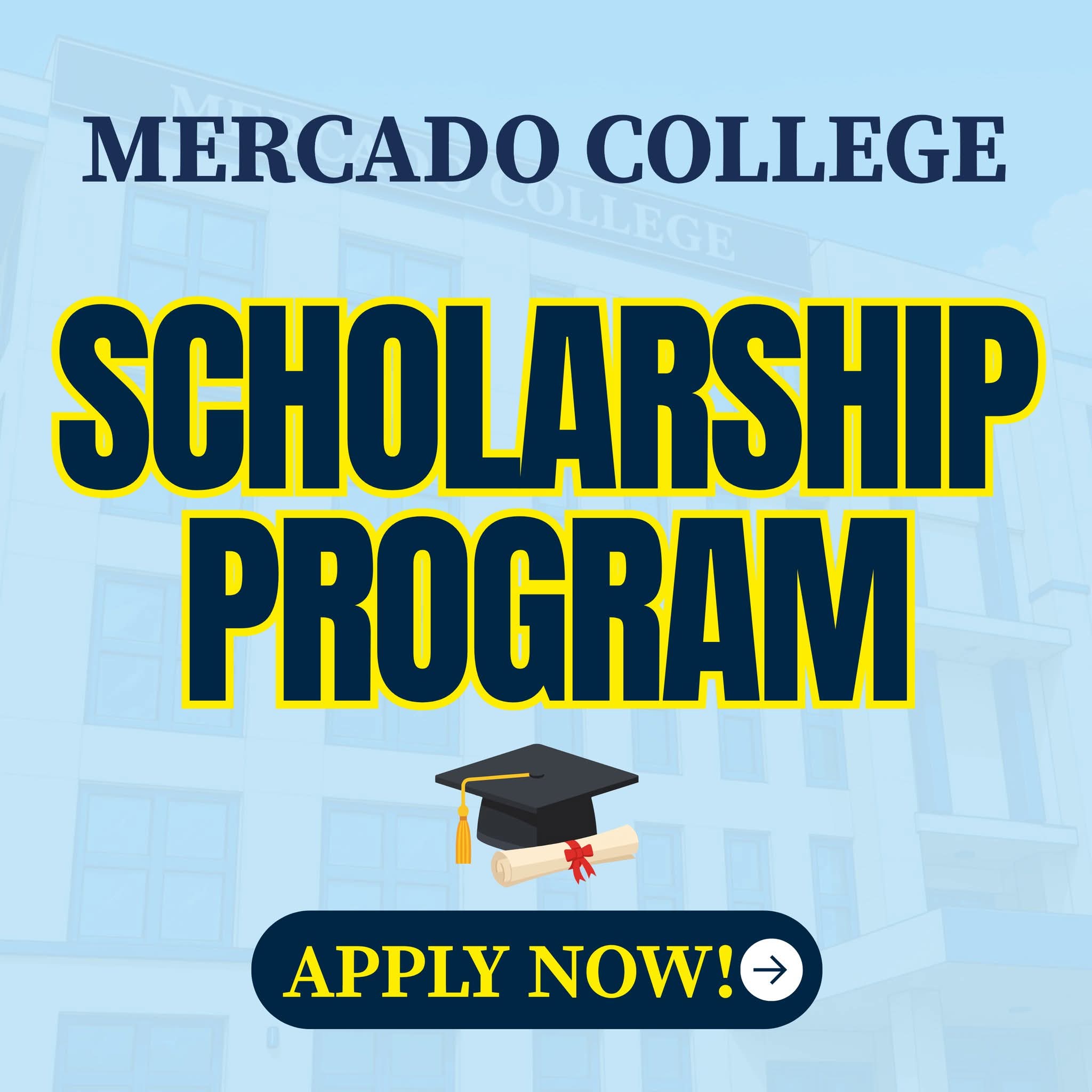
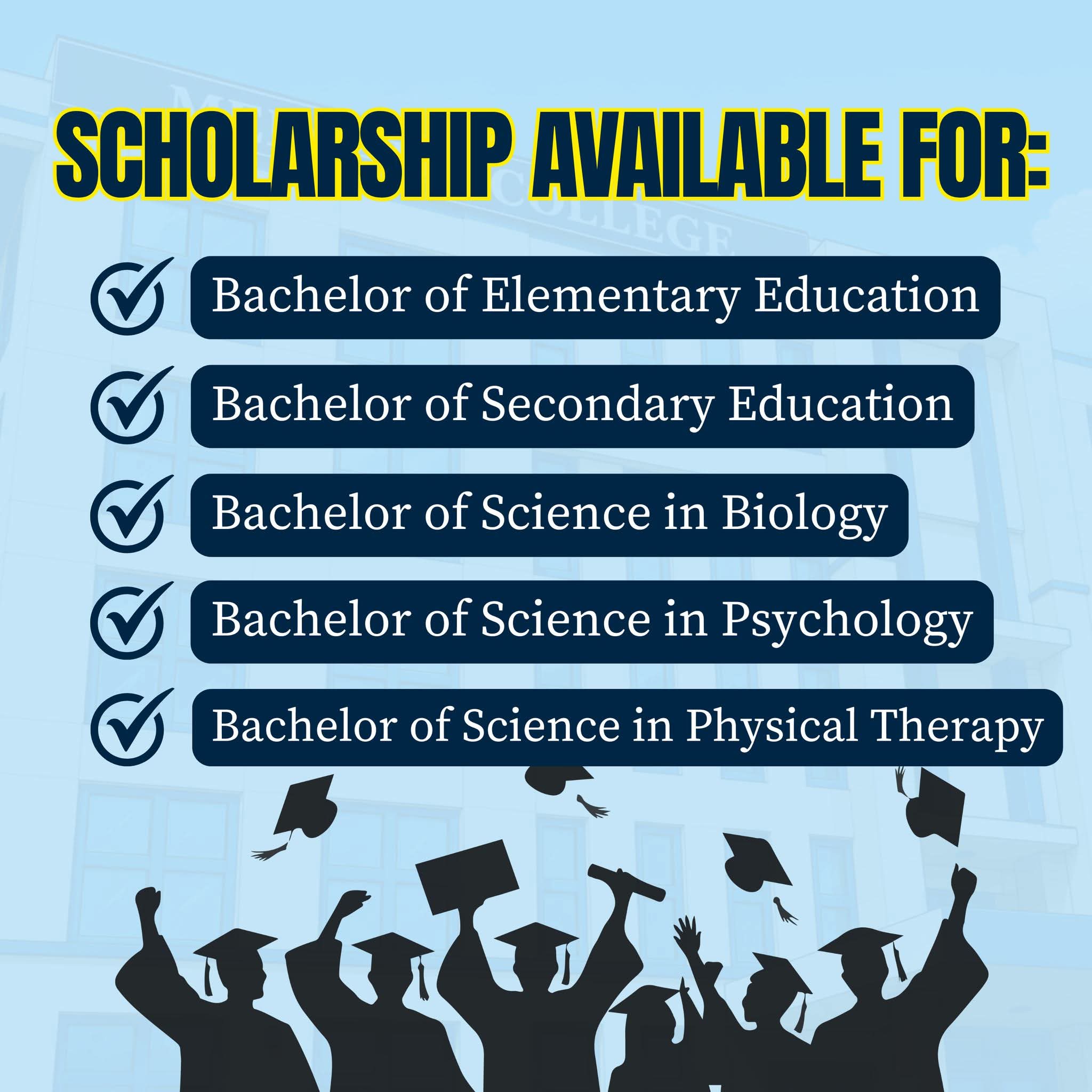
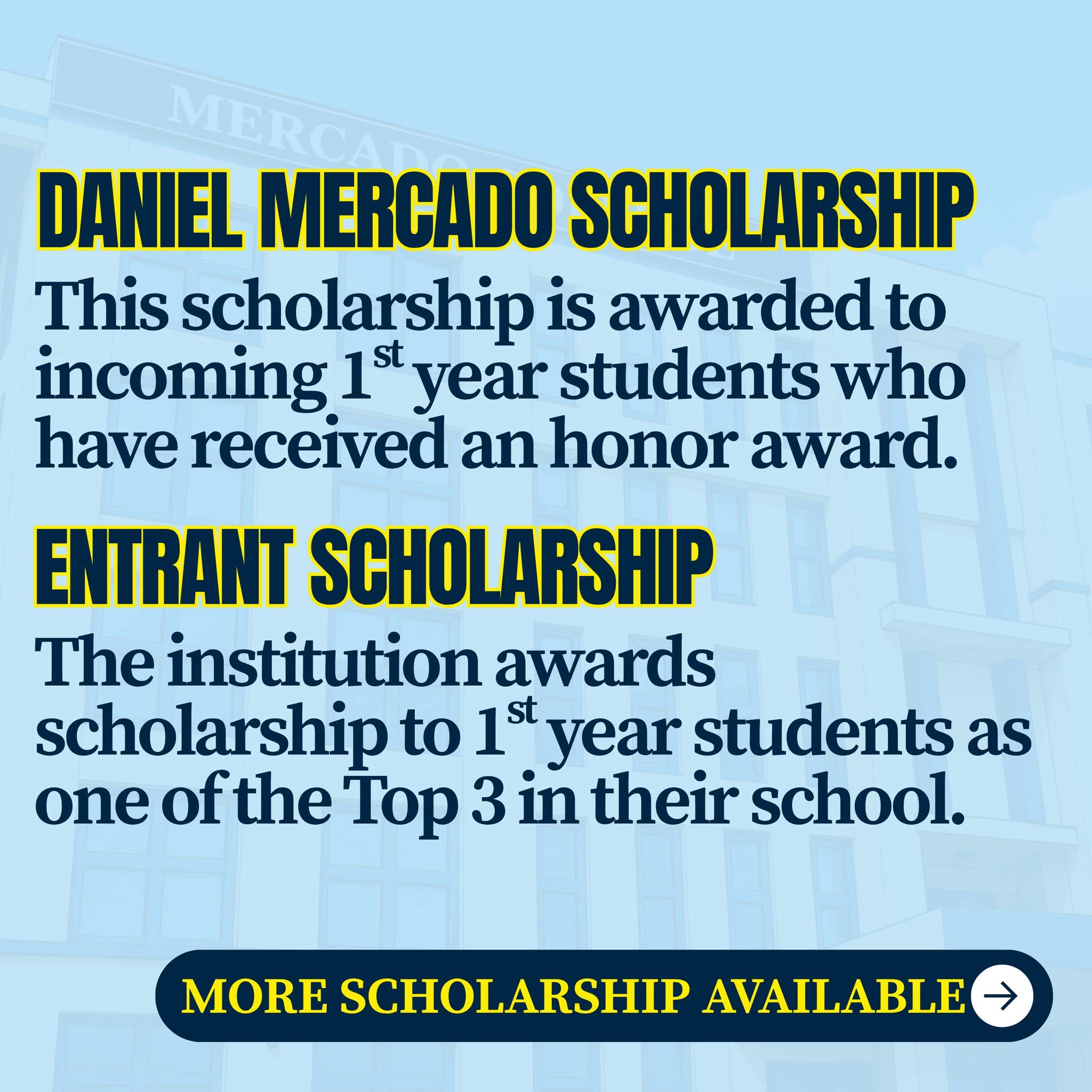
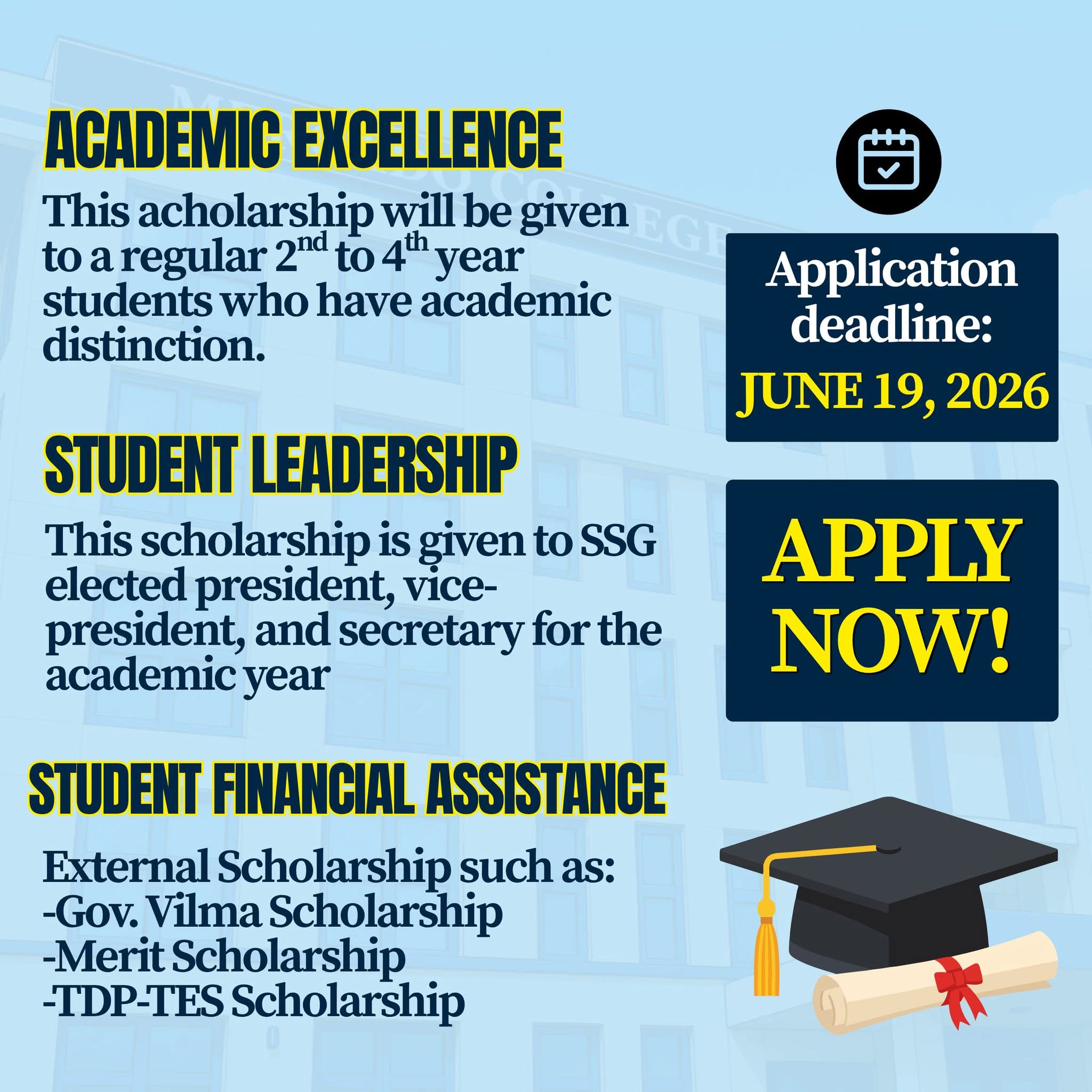
Scholarships Available

Scholarship One
Scholarship
Scholarship Two
Voucher

Get In Touch

143 Narra St., Mountview Subd., Brgy. 3, Tanauan City, Batangas 4232

(043) 778 6352

(043) 430 5053

registrar@dmmcihs.edu.ph

Connect

Employee Portal Student Portal Career Contact

Follow Us

© Copyright 2025 Mercado College , All Right Reserved.